

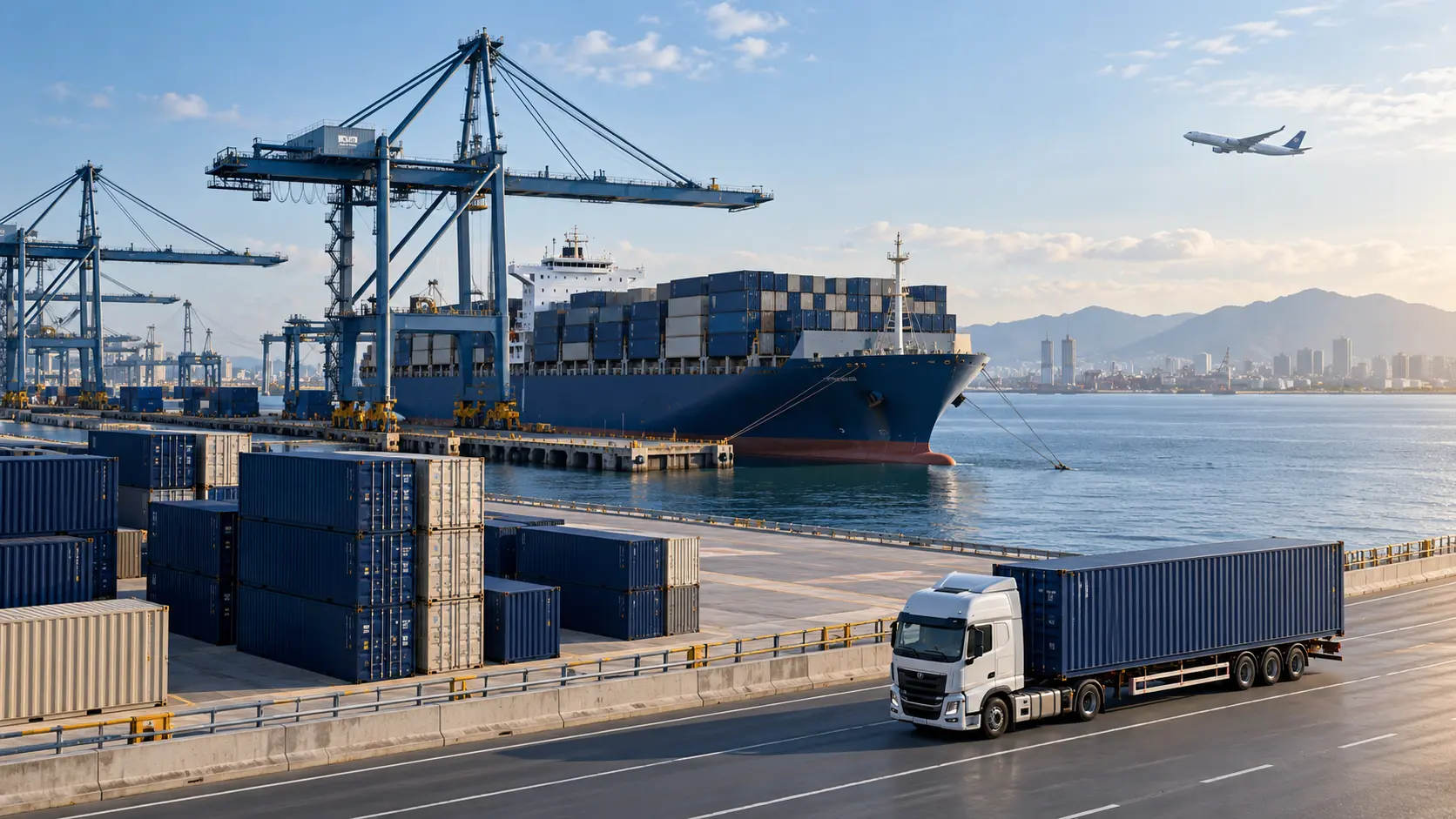
A freight decision can shape much more than a transport bill. It affects when stock becomes available, how much inventory a business needs to hold and how quickly teams can respond when plans change. Choosing well starts with understanding what the shipment must achieve.
Air, ocean and multimodal transport each serve different needs. The most suitable option depends on the delivery deadline, cargo characteristics, available routes and the consequences of arriving late. A useful comparison looks at the complete journey, from cargo readiness to final delivery.
Start with the delivery requirement
Before requesting rates, establish the date the goods must be available at their destination. Then work backwards, allowing for collection, handling, documentation, clearance and delivery arrangements. A carrier’s transit time is only one part of that timeline.
Also confirm whether the whole order is equally urgent. A small quantity needed for a launch or production requirement may justify a different transport plan from the balance of the shipment. Separating critical demand from routine replenishment can create more options.
When air freight makes sense
Air freight is often considered for urgent replenishment, samples, high-value goods or products with short selling windows. Its shorter main transport leg can be valuable when the commercial impact of waiting outweighs the additional freight expense.
However, a flight schedule alone does not establish the delivery date. Available capacity, cargo acceptance, connections and handling requirements all need checking. Dimensions matter too: a light but bulky shipment may be charged according to its volume rather than its actual weight. Accurate packing details support a more useful quotation.
When ocean freight fits the plan
Ocean freight is commonly suited to larger volumes and orders with more flexible lead times. Businesses can compare full-container and less-than-container options according to shipment size, cargo compatibility and the services available on the route.
Planning ahead is particularly valuable. Supplier readiness needs to align with receiving deadlines, sailing schedules and destination requirements. For smaller shipments, consolidation and deconsolidation also form part of the journey. Compare the complete cost and delivery plan rather than assuming one container option is always better value.
Where multimodal transport can help
Multimodal transport combines more than one mode within the journey. Depending on the route and service available, this could involve sea and air, or road connections with an international air or ocean leg.
A combined solution may offer a useful balance between cost and speed, but the benefit is route-specific. Transfer locations, connection times and responsibility at each handover need to be clear. Ask for an end-to-end schedule and understand what happens if the first leg misses its planned connection.
Compare the full logistics cost
A low headline freight rate may not represent the lowest overall cost. Collection, terminal handling, documentation, destination charges and final delivery should be compared on the same scope. Storage exposure and the cost of holding inventory can also affect the business decision.
Consider the consequences of delay alongside these charges. A stockout, missed promotion or interrupted production schedule may matter more than a small difference in transport price. Equally, paying for speed adds little value when the consignee cannot receive the shipment any earlier.
A practical checklist before booking
- What is the confirmed cargo-ready date and required delivery date?
- What are the shipment’s weight, dimensions, volume and handling needs?
- Does every item need to travel together, or can priorities be separated?
- Does the quoted timeline include origin handling and destination delivery?
- Which charges are included, excluded or dependent on actual handling?
- What alternative is available if capacity or the schedule changes?
Record the answers in one comparison sheet. This helps purchasing, logistics and sales teams evaluate the same assumptions and agree on the trade-offs before a booking is placed.
Turn the comparison into a workable plan
The strongest freight plan connects the transport choice with the business requirement. It also gives everyone a clear view of responsibilities, milestones and the information needed before cargo moves.
For businesses reviewing their options, EUR Logistics Services (ELS) provides a starting point for discussing available routes and coordinating the shipment plan. Share your delivery priorities and cargo details so the conversation can focus on the options that fit.
Speak with ELS about planning your next shipment.
Explore ELS’s multimodal transport services: https://eurlogistics.com/services/multimodal-transport/